Gluten Free Restaurants Near Tokyo Tower (2026 Guide)
By Ikumi H.
Independent guide, based in Japan. Every venue verified via Google Places. How we verify →
Last updated: 2026-10-01 · 5 min read
Finding genuinely gluten-free food in Tokyo is not a casual ask. Standard Japanese cooking leans heavily on soy sauce (醤油, shōyu), which almost always contains wheat. Miso, dashi stocks, tempura batter, ramen broth, even seemingly plain grilled dishes can carry hidden gluten. The kanji to know cold is 小麦 (komugi, wheat)—Japan's mandatory allergen labeling requires it to appear on packaged foods, but restaurant kitchens are a different story entirely.
Tokyo Tower sits in Minato ward, and while the immediate surrounding streets are not dense with dedicated gluten-free venues, the city's verified options are close enough to make a day trip—or an evening out—very manageable by train or cab. Below are five confirmed operational venues worth your attention.
Gluten Free T's Kitchen – Roppongi (Closest to Tokyo Tower)
This is your most geographically practical option if you're based near Tokyo Tower. Roppongi is one stop or a short walk through Azabu, and Gluten Free T's Kitchen on 7-chōme Roppongi has built the strongest review volume of any dedicated gluten-free spot in central Tokyo: is a serious signal of consistency.
T's Kitchen operates as a fully gluten-free kitchen—meaning the cross-contamination risk that haunts shared fryers and shared prep surfaces is structurally reduced. That said, always confirm their current practices when you arrive. Kitchens change staff, suppliers, and procedures. Ask directly: "Koko wa komugi wo tsukatte imasen ka?" (ここは小麦を使っていませんか?) — "Does this kitchen use no wheat at all?"
Check current hours, menu offerings, and reservation requirements via Google Maps before visiting.
🏨 Find stays near these spots →
Oh Nana! Gluten Free Japanese Cafe & Restaurant – Kanda
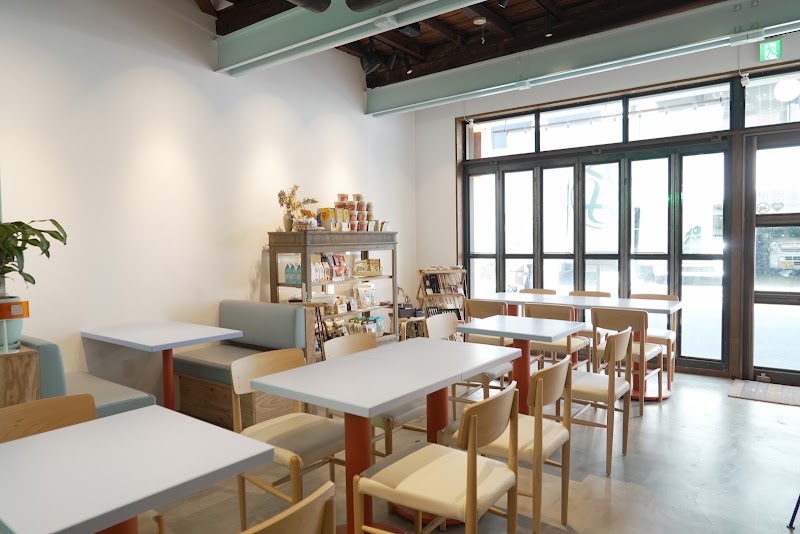
The standout rating here: . That near-perfect score with a meaningful review count is rare and worth taking seriously. Oh Nana! is located in Kanda Kitanorimonochō in Chiyoda ward—roughly 20–25 minutes from Tokyo Tower by subway, easily reached via the Hibiya or Oedo lines.
What makes a place like this particularly valuable for celiac travelers is the Japanese cafe framing. Japanese-style set meals (teishoku) typically involve multiple components—rice, pickles, miso soup, a protein—and each element carries gluten risk in a conventional kitchen. A dedicated gluten-free Japanese cafe eliminates that game of ingredient archaeology.
Before visiting, verify whether they use tamari (wheat-free soy sauce, 小麦不使用の醤油) across all dishes, and ask about their dashi base—some dashi contains soy sauce. Check current details via Google Maps.
Gluten Free T's Kitchen Harajuku – Shibuya
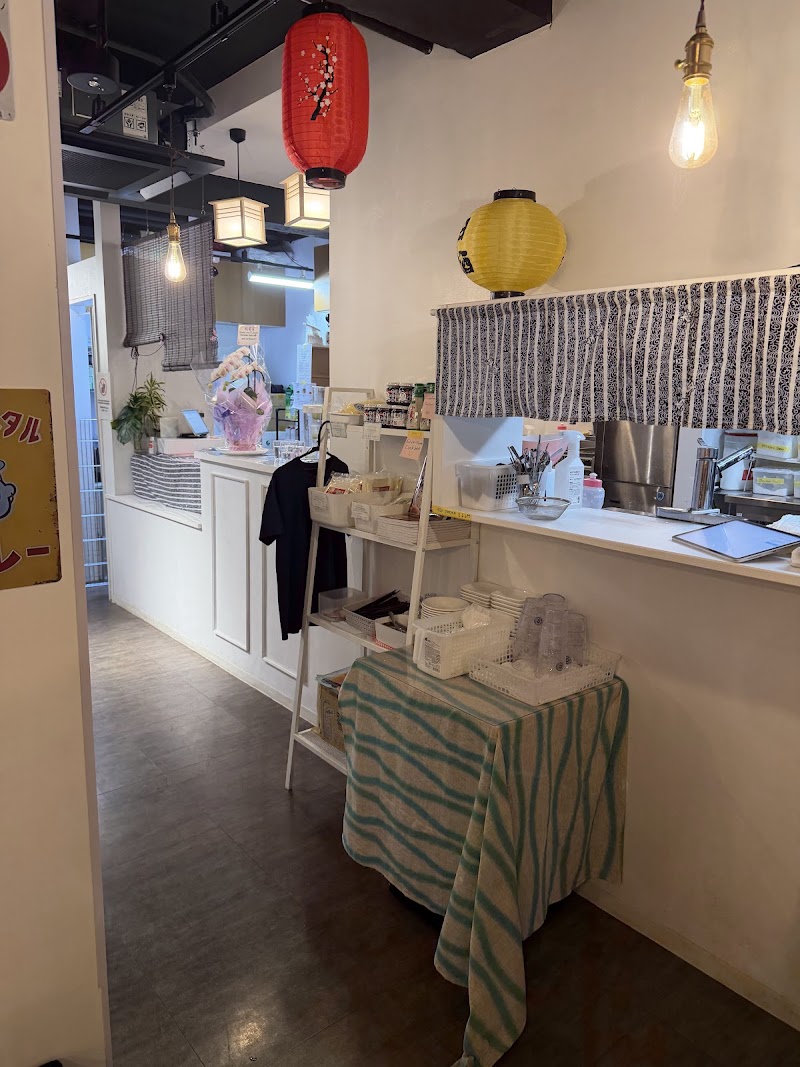
The Harajuku branch of T's Kitchen is located in Jingūmae, Shibuya, inside a building called Champs-Élysées Harajuku (B1 floor). It carries a , making it the highest-rated T's Kitchen location across the group's Tokyo branches.
Harajuku is roughly 30 minutes from Tokyo Tower via the Hibiya line to Meiji-Jingumae. If you're combining gluten-free dining with a day out in Omotesando or the Meiji Shrine area, this works naturally as a meal stop. Being in a basement unit, confirm accessibility needs in advance if relevant.
As with all T's Kitchen locations, the dedicated gluten-free kitchen model is the core selling point—but verify whether anything has changed in sourcing or menu structure. See current details on Google Maps.
Gluten Free T's Kitchen Ueno-hirokoji – Chiyoda
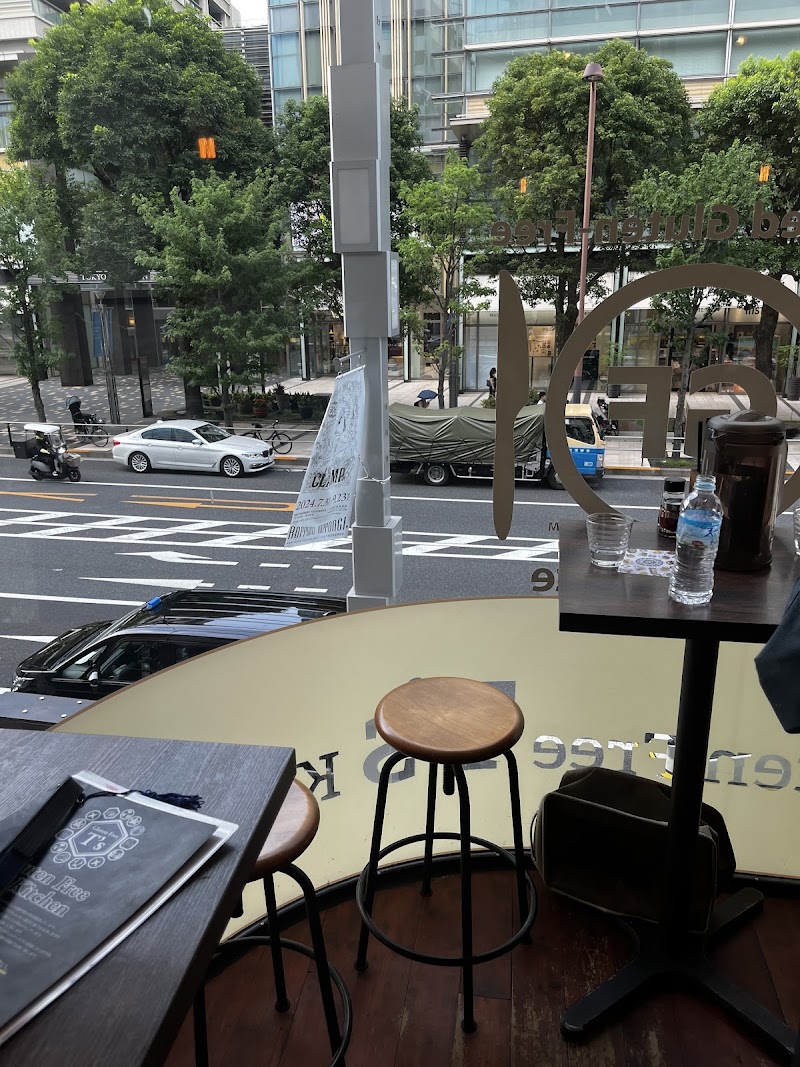
Located inside the APA Hotel Ueno Hirokoji in Sotokanda, Chiyoda, this branch sits between Ueno and Akihabara—around 25 minutes from Tokyo Tower. It holds , which reflects steady, reliable performance over time.
Hotel-based restaurant locations can sometimes have more predictable service hours than standalone spots, but they can also have banquet or event conflicts that affect regular dining availability. Call or check Google Maps to confirm seat availability, especially on weekends. Find current information here.
Setagaya Alley Bite – Umegaoka, Setagaya
This one requires the most travel—Umegaoka in Setagaya is southwest of central Tokyo, roughly 35–40 minutes from Tokyo Tower—but it earns its place on this list as a gluten-free fried food bar. The concept (cheese fried bread and fried foods, gluten-free) is genuinely unusual in Tokyo, where celiac diners typically have to skip anything deep-fried due to shared fryer contamination.
It has , which is a smaller sample size. Treat this one as worth investigating if you're in the Setagaya or Shimokitazawa area. Verify operational days carefully—smaller concept spots in Tokyo can keep limited hours or close temporarily. Google Maps listing here.
How to Verify Before You Go
Restaurant details shift frequently in Tokyo—hours, closures, menu changes, and ownership transitions happen without much notice online. Before any visit:
- Check Google Maps for the latest reviews (filter by "recent") and posted hours
- Call ahead if you have severe celiac disease: cross-contamination protocols matter more than dedicated menus
- Use the phrase: "Komugi arerugi ga arimasu. Komugi ga haitte iru mono wa taberaremasen." (小麦アレルギーがあります。小麦が入っているものは食べられません。) — "I have a wheat allergy. I cannot eat anything containing wheat."
- Carry an allergy card in Japanese explaining celiac disease (nontore-abia seru-iaku, セリアック病) — printable versions are available from celiac travel communities online
- Watch for 小麦不使用 (komugi-fushiyō, "wheat not used") on menus and packaging—this is the phrase to look for
Practical Notes for Celiac Diners Around Tokyo Tower
Outside dedicated venues, the Tokyo Tower area itself has tourist-facing restaurants that are very unlikely to accommodate gluten-free requests reliably. Konbini (convenience stores) like 7-Eleven and Lawson display allergen grids on packaged foods—look for the 小麦 column and choose products where it is blank. Plain onigiri with umeboshi (pickled plum) or plain rice-based products are often safer choices in a pinch, but always read the label.
Tamari-based soy sauce (tamari shōyu, たまり醤油) is your friend when eating at non-dedicated restaurants—it is brewed without wheat, unlike standard shōyu. Ask if the kitchen has it: "Tamari shōyu wa arimasu ka?" (たまり醤油はありますか?)
The five venues above represent the verified gluten-free dining infrastructure closest to Tokyo Tower as of mid-2026. The Roppongi T's Kitchen is your starting point—proximity, volume of reviews, and a dedicated kitchen make it the most practical anchor for a Tokyo Tower trip.