Gluten Free Restaurants Near Tokyo Skytree (2026)
By Ikumi H.
Independent guide, based in Japan. Every venue verified via Google Places. How we verify →
Last updated: 2026-10-01 · 5 min read
Finding a genuinely gluten-safe meal within reach of Tokyo Skytree is harder than it looks. The tower sits in Sumida, flanked by Asakusa to the north and Akihabara to the west—neighborhoods packed with ramen shops, tempura counters, and izakayas where wheat is essentially invisible in the cooking. Standard Japanese shoyu (soy sauce) contains wheat. Dashi stocks may use wheat-based seasonings. Shared fryer oil is ubiquitous in casual dining. Japan does mandate allergen labeling—小麦 (komugi) means wheat on packaged goods—but restaurant kitchens are a different story entirely. The venues below are confirmed operational with meaningful review counts, putting them in a category far above the average "gluten-friendly" guess.
Oh Nana! Gluten Free Japanese Cafe & Restaurant — Kanda
Located in the Kanda Kitanorimonochō area of Chiyoda City, Oh Nana! is one of the few spots in central Tokyo built from the ground up around gluten-free Japanese cooking. With a , the feedback density suggests a genuine specialist operation rather than a restaurant that's simply added a few safe dishes to a standard menu. Kanda puts you roughly 15–20 minutes from Skytree by subway—close enough to plan as part of a Skytree day.
Because this is a dedicated gluten-free café, the core worry—cross-contamination from shared utensils, fryers, or prep surfaces—is structurally reduced compared to mainstream restaurants. Still, always confirm upon arrival using something like: "Komugi arerugi ga arimasu. Taiou dekimasu ka?" (小麦アレルギーがあります。対応できますか?) — "I have a wheat allergy. Can you accommodate me?" Don't assume proximity to "gluten free" in the name eliminates the need to ask. Check Google Maps for current hours before visiting, as specialty cafés in Japan frequently run limited schedules.
🏨 Find stays near these spots →
Eat-Alley Asakusa — Asakusa
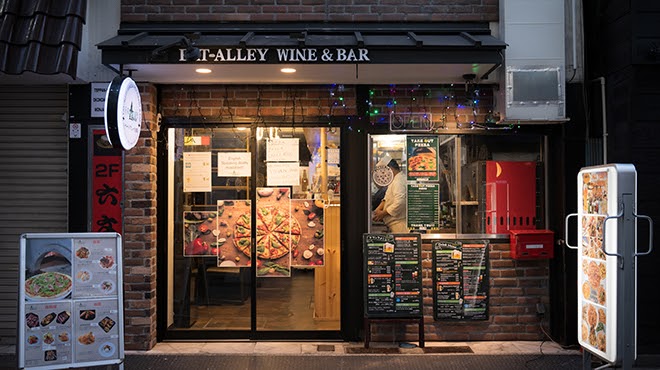
Right in the heart of Asakusa—walking distance from Senso-ji and a short hop from Skytree—Eat-Alley has racked up an impressive , making it one of the most-reviewed options in this roundup. High review volume near a major tourist corridor like Asakusa means this venue has been field-tested by a diverse range of international visitors, including many traveling with dietary restrictions.
Asakusa itself is a minefield for gluten-free travelers: the famous ningyo-yaki (small cakes sold near Senso-ji) contain wheat, street food sauces almost universally include shoyu, and tempura is everywhere. Having a safe fallback in this exact neighborhood is genuinely useful. Before visiting, check current menu details on Google Maps. When you arrive, ask specifically whether soy sauce used is tamari (a wheat-free alternative, though confirm the specific brand as some tamari contains trace wheat) or standard shoyu. The phrase "Tamari wo tsukatte imasu ka?" (たまりを使っていますか?) is worth knowing.
Gluten Free T's Kitchen Ueno-hirokoji — Ueno Area
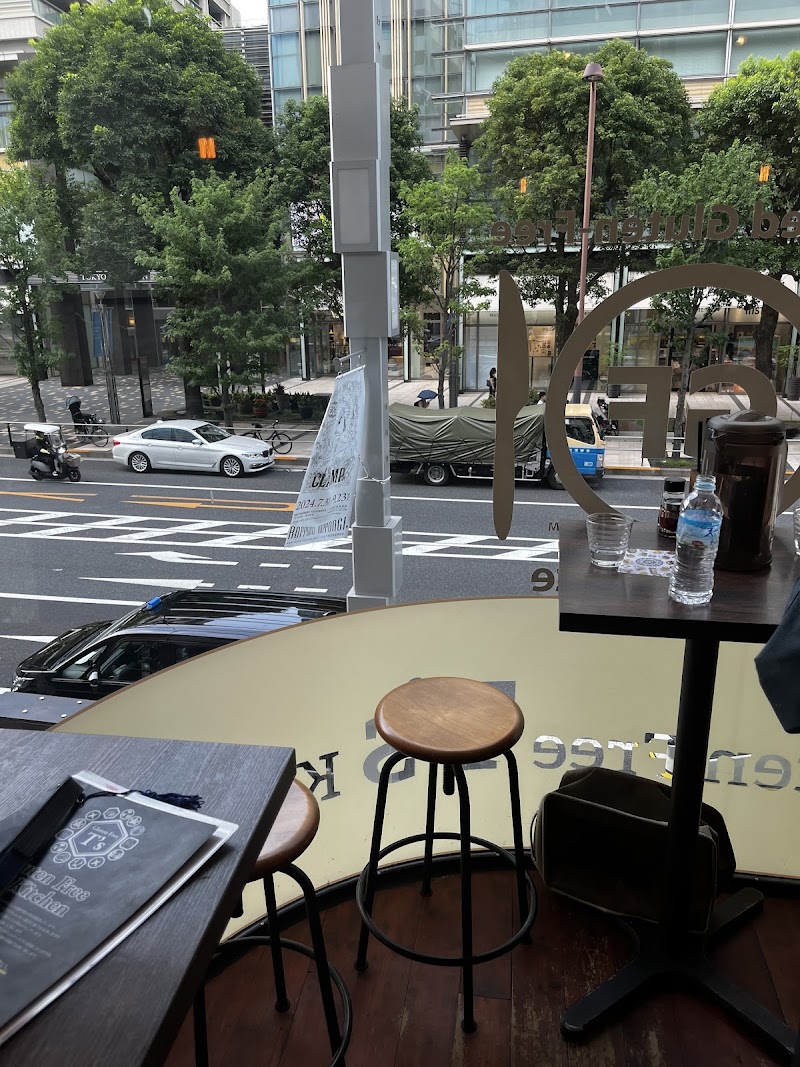
This branch of the T's Kitchen group is located in the Sotokanda / Ueno-hirokoji area of Chiyoda City, inside the APA Hotel Ueno Hirokoji building. It holds a —solid numbers that reflect consistent execution over time. The Ueno area sits between Akihabara and the main Ueno park complex, reachable from Skytree via the Ginza or Asakusa subway lines without too much backtracking.
T's Kitchen as a brand has built its identity around vegetarian and allergen-conscious cooking, which tends to mean more structured kitchen protocols than you'd find at a restaurant that simply labels a few dishes safe. That said, hotel restaurant kitchens can have shared prep areas for multiple menus—always worth asking on arrival. Confirm operating hours directly, as hotel restaurant schedules can change seasonally or around hotel occupancy patterns.
Gluten Free T's Kitchen — Roppongi
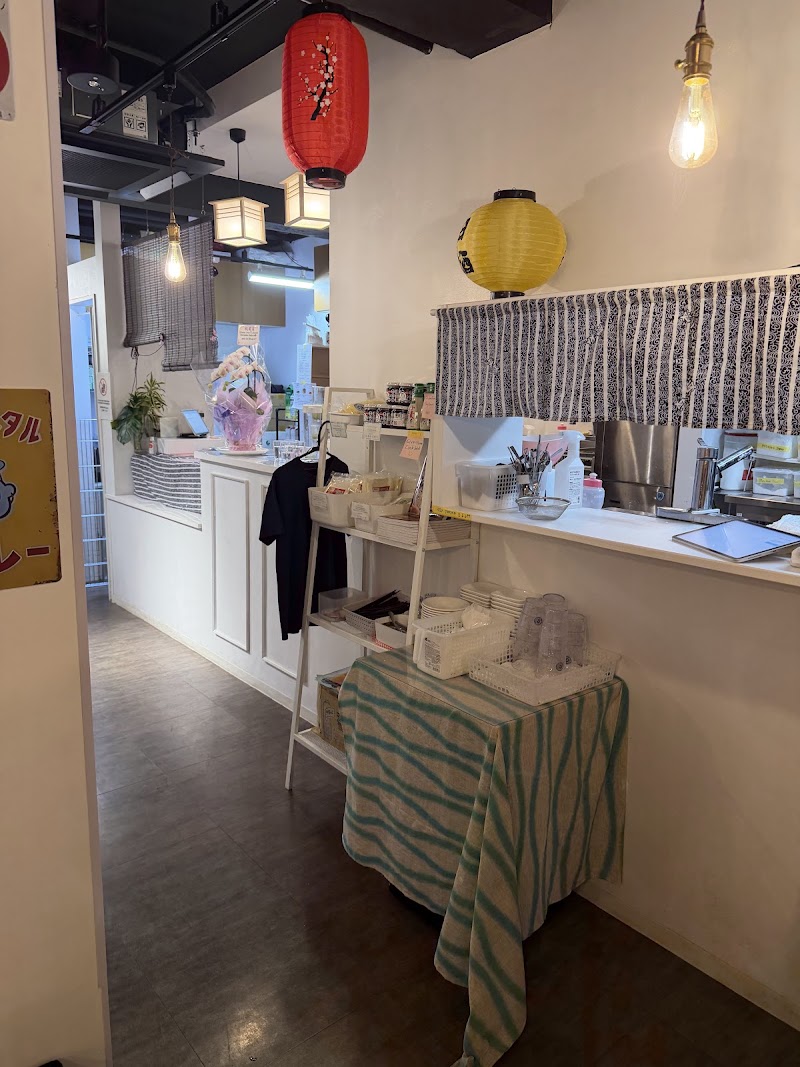
The original (or at least the flagship) T's Kitchen location sits in Roppongi, Minato City—farther from Skytree geographically but the highest-reviewed venue in this roundup at 4.5 from 918 reviews. Nearly 1,000 reviews is a meaningful sample for a specialist restaurant in Tokyo. If you're combining your Skytree visit with other Tokyo sightseeing and Roppongi is on the itinerary, this is worth anchoring a meal around.
The sheer review volume here suggests a kitchen well-practiced at fielding gluten-related questions from international guests. Still apply your standard verification: ask about tamari vs. shoyu, confirm no shared fryer if fried items are involved ("Komugi wo fukumu shokuhin to onaji abura wo tsukatte imasu ka?" — "Do you use the same oil as foods containing wheat?"), and check current hours on Google Maps before making it your plan.
Vegan Churros G'DAY — Asakusa
This small operation in Asakusa carries a perfect 5.0 rating from 292 reviews—a remarkable number to sustain on a street-food-scale venue. Churros are classically a wheat product, so a vegan and apparently gluten-adapted version is exactly the kind of find that matters when you're walking Nakamise-dori and watching everyone else eat sweet street snacks you can't touch.
With 292 reviews at a perfect score, the operator clearly understands their audience and consistently delivers. That said, churros require a frying process—confirm explicitly that the oil is dedicated and not shared with wheat-containing items. Ask: "Kono abura wa komugi nashi desu ka?" (この油は小麦なしですか?) — "Is this oil wheat-free?" Check Google Maps for current availability; specialty dessert stalls sometimes operate on seasonal or weekend schedules.
How to Verify Before You Go
Never rely on a venue's description alone. Before visiting any of these locations:
- Check Google Maps for current hours, recent photos, and recent reviews mentioning gluten or wheat (search within reviews for 「グルテン」or "gluten").
- Call ahead if you have celiac disease (not just intolerance). Cross-contamination at even dedicated restaurants can be an issue depending on kitchen layout. The phrase "Seriaakku byo ga arimasu" (セリアック病があります) communicates the medical seriousness.
- Carry an allergen card in Japanese specifying 小麦 (wheat) and any other allergens. Several free printable versions exist online specifically for Japan.
- Look for the 小麦不使用 (komugi fu-shiyou) label—meaning "wheat not used"—on any packaged items you pick up along the way.
Practical Tips for Eating Gluten Free Around Tokyo Skytree
Convenience stores (konbini) near Skytree—7-Eleven, FamilyMart, Lawson—all display allergen information on packaging. Look for the 小麦 column in the allergen chart printed on labels; a filled circle (●) means it contains wheat, a triangle (△) means possible cross-contamination. Rice balls (onigiri) with simple fillings can be safe, but always check the wrapper.
Avoid assuming that "Japanese food is rice-based and therefore safe." Teriyaki sauces, ramen broths, gyoza wrappers, tempura batter, and even some miso pastes contain wheat. Soba noodles—often marketed as buckwheat—are almost always blended with wheat flour in Tokyo restaurants unless explicitly stated otherwise.
The venues in this roundup give you a practical starting cluster within the Skytree / Asakusa / Ueno triangle and reasonable transit reach. Verify details before you go, ask the right questions when you arrive, and you'll eat well.