Gluten Free Restaurants Near Kyoto Station (2026)
By Ikumi H.
Independent guide, based in Japan. Every venue verified via Google Places. How we verify →
Last updated: 2026-10-01 · 5 min read
Kyoto Station is a food lover's hub, but for travelers with celiac disease or gluten intolerance, it's also a minefield. Standard Japanese soy sauce (shoyu, 醤油) contains wheat, dashi stocks often use wheat-seasoned soy, and shared fryers are the norm at izakayas. The good news: the venues below have been confirmed operational with substantial review counts, and at least several actively cater to gluten-free diners. Here's what you need to know before you walk through the door.
VOG Kyoto – Vegetarian, Vegan, Gluten Free & Jain Restaurant
Nakagyo Ward (Kawaramachi area, ~15 min from Kyoto Station by subway or bus) Rating: 4.9 ⭐ | 1,037 reviews
VOG is the standout option on this list—it's the only venue that puts "Gluten Free" directly in its name, which tells you something about how seriously the kitchen takes dietary restrictions. With nearly 1,100 reviews and a 4.9 rating, this is not a hidden gem; it's a well-documented safe harbor for gluten-free travelers in Kyoto.
The Jain designation is also meaningful here. Jain dietary standards are exceptionally strict, which tends to indicate disciplined kitchen protocols around cross-contamination—a critical concern for celiacs, not just people avoiding gluten by preference.
What to verify before visiting: Confirm whether they use tamari (wheat-free soy sauce) or a gluten-free soy alternative in their cooking. Ask specifically: "Shoyu ni komugi ga haitte imasu ka?" (醤油に小麦が入っていますか?) — "Does your soy sauce contain wheat?" Also confirm whether any shared equipment touches gluten-containing ingredients. Check current hours and reservation availability on Google Maps before visiting, as popular specialty restaurants in Kyoto often have limited seating.
🏨 Find stays near these spots →
MERCY Vegan Factory Kyoto Station
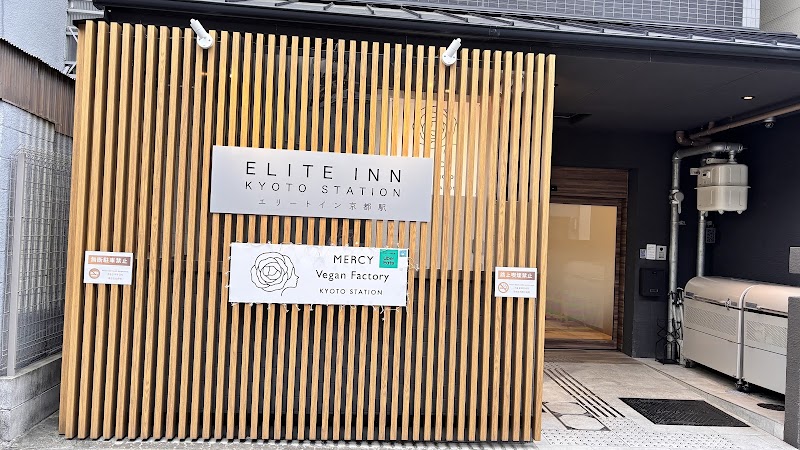
Shimogyo Ward (steps from Kyoto Station) Rating: 4.8 ⭐ | 797 reviews
This vegan restaurant in the basement of Elite Inn Kyoto Station is about as convenient as it gets for station-area dining. Vegan kitchens often overlap strongly with gluten-free needs—no meat broths, no oyster sauce—but "vegan" does not automatically mean "gluten-free." Wheat-based proteins like seitan are common in vegan cooking, and standard shoyu is vegan but not gluten-free.
That said, a dedicated vegan kitchen with 800 reviews and a 4.8 rating suggests staff who are accustomed to fielding detailed dietary questions.
What to verify before visiting: Ask directly whether gluten-free options are available and whether they use wheat-containing soy sauce or tamari. The phrase to use is: "Komugi areru gi no hito demo taberu koto ga dekimasu ka?" (小麦アレルギーの人でも食べることができますか?) — "Can someone with a wheat allergy eat here?" Use "allergy" language rather than just "intolerance"—it communicates urgency more clearly in Japanese restaurant contexts. Check their current menu and hours on Google Maps.
KAWARAMACHI BEEF-TEI
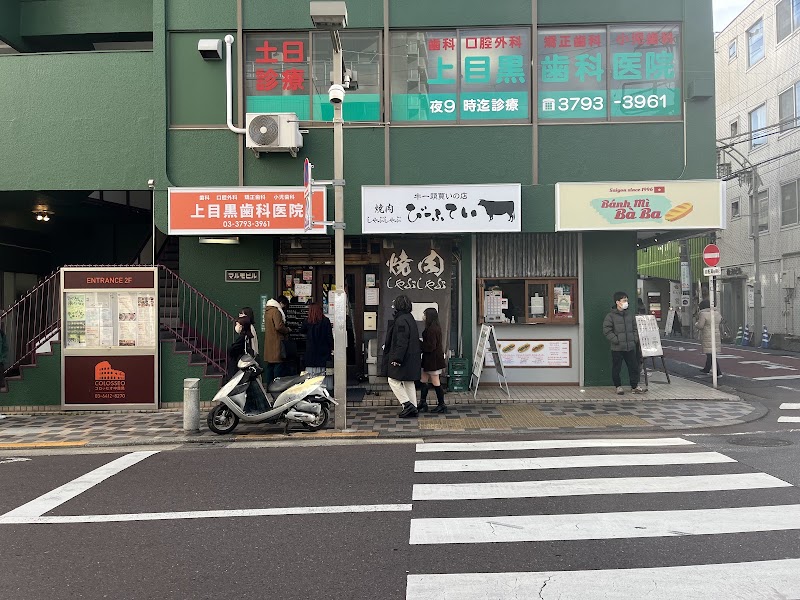
Nakagyo Ward (Kawaramachi area) Rating: 4.7 ⭐ | 3,086 reviews
With over 3,000 reviews, Beef-Tei is one of Kyoto's most-reviewed restaurants in this area. A steakhouse-style beef restaurant is structurally more GF-navigable than most Japanese dining options—grilled beef is naturally gluten-free, and there's less reliance on wheat-heavy broths compared to ramen or udon shops.
However, the risks are real: Japanese beef restaurants typically serve sauces (tare, タレ) made with shoyu, and some marinades or demi-glace preparations contain wheat. The question is always in the sauce.
What to verify before visiting: Ask whether the tare or dipping sauces contain wheat (komugi, 小麦), and whether a plain preparation without sauce is possible. You can request: "Shoyu nashi de, shio dake de tsukutte moraemasuka?" — "Can you make it with just salt, without soy sauce?" Confirm there's no shared fryer situation affecting side dishes you might order. Verify current menu and hours on Google Maps.
Cafe & Bar Maru
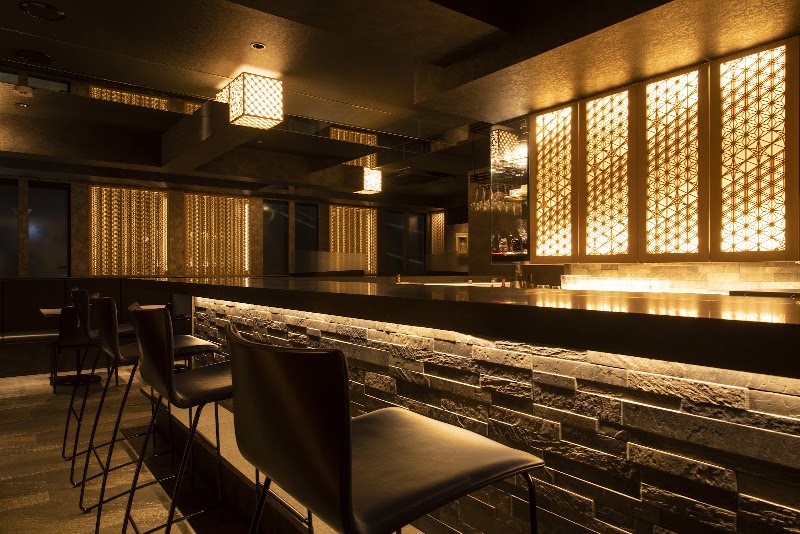
Shimogyo Ward (Kiyamachi area) Rating: 4.5 ⭐ | 281 reviews
Maru is a cafe and bar on the third floor of the RAKUAS Kiyamachi building—a more relaxed, social setting compared to the specialist restaurants above. Cafes can be surprisingly navigable for gluten-free diners when the kitchen is small and the staff are transparent about ingredients.
What to verify before visiting: Cafe menus vary widely. Ask whether food items are prepared in a kitchen with wheat flour, and whether any gluten-free options are clearly marked. Show staff a gluten-free dining card in Japanese if you have one—this format often works better than verbal explanation in busy settings. Verify current food menu, hours, and whether kitchen accommodations are available on Google Maps before visiting.
UNO Ramen – Kyoto Station
Kyoto Station Building, 10F (Kyoto Ramen Koji) Rating: 4.4 ⭐ | 125 reviews
This one requires the most caution. Ramen is among the hardest categories for celiac travelers in Japan: the noodles contain wheat, most tare bases use shoyu, and the broth may be seasoned with wheat-containing products. That said, some modern ramen shops now offer rice noodle substitutions or dedicated GF broth options—and UNO's presence in the Kyoto Station Ramen Koji floor with 125 reviews suggests it's worth a direct inquiry.
What to verify before visiting: Ask specifically whether rice noodles (raisu nūdoru, ライスヌードル) are available as a substitute, whether the broth (supu, スープ) is wheat-free, and whether the tare contains shoyu. This requires a direct conversation—ideally before you sit down. Do not assume. Check Google Maps for current details and any updated allergen information.
How to Verify Before You Go
Japan's mandatory allergen labeling law requires packaged foods to declare eight allergens, with 小麦 (komugi) meaning wheat. This applies to packaged goods at konbini (convenience stores), but restaurant menus are not held to the same standard—disclosure is voluntary in sit-down dining.
Before visiting any restaurant on this list:
- Call ahead or message via Google Maps using the phrase: "Komugi arerugi daijobu desuka?" (小麦アレルギー大丈夫ですか?) — "Is it okay for someone with a wheat allergy?"
- Carry a gluten-free dining card in Japanese. Several free versions exist online; they explain celiac disease and list hidden sources like shoyu, mirin, and modified starch.
- Check Google Maps reviews filtered by keywords like "gluten free" or "グルテンフリー" to see recent firsthand reports.
- Confirm hours before visiting—Kyoto restaurant schedules shift seasonally and hours listed online are not always current.
Closing Tips for Celiac Travelers at Kyoto Station
The station's Isetan department store basement (depachika, デパ地下) sometimes stocks packaged gluten-free products with clear allergen labeling—worth a look for safe snacks. For cooking your own meals, imported tamari (wheat-free soy sauce) is available at Kyoto's larger natural food stores.
When in doubt at any restaurant, defaulting to plain grilled protein with salt (shio, 塩) and steamed rice (gohan, ご飯) is your safest baseline. It's not the most exciting meal in one of Japan's great food cities—but it's a foundation you can build from once you've established trust with a kitchen.