Gluten Free Restaurants Near Osaka Castle
By Ikumi H.
Independent guide, based in Japan. Every venue verified via Google Places. How we verify →
Last updated: 2026-10-01 · 5 min read
Finding gluten-free food near Osaka Castle puts you squarely in the heart of one of Japan's most wheat-saturated food cultures. Takoyaki, okonomiyaki, and ramen all traditionally rely on wheat flour, and the invisible threat is even bigger: standard Japanese soy sauce (shoyu, 醤油) is brewed with wheat, meaning it contaminates dishes that look completely safe. Japan's mandatory allergen labeling requires wheat (komugi, 小麦) to be declared across 8 covered allergens, which helps in convenience stores and packaged foods—but restaurant kitchens are a different story. The venues below have been verified as operational with substantial review counts. Always confirm current menus and preparation practices before visiting, because recipes and ownership change.
OKO - Fun Okonomiyaki Bar (Dōtonbori, Chuo Ward)
Google Rating: 4.7 ★ (2,593 reviews) | View on Google Maps
Okonomiyaki is one of Osaka's most iconic dishes and one of the most dangerous for celiacs—traditional batter is wheat-based, and the Worcestershire-style sauce drizzled on top usually contains wheat too. OKO in Dōtonbori has built a reputation specifically for making this dish more accessible, earning nearly 2,600 reviews at a 4.7 rating, which suggests a consistently managed experience.
When you visit, your key questions are: Is the batter made with rice flour (komeko, 米粉) or wheat flour? Is the okonomiyaki sauce (sosu, ソース) gluten-free? Are gluten-free items cooked on a dedicated griddle section, or is cross-contamination with wheat batter a risk? Ask specifically: "Komugi arerugi ga arimasu. Komeko no batter wo tsukatte imasu ka?" ("I have a wheat allergy. Do you use rice flour batter?") Check their current GF offerings on Google Maps before visiting.
🏨 Find stays near these spots →
Wagyu Ramen & Hamburger (Halal Vegan Gluten Free) Dotonbori (Souemonchō, Chuo Ward)
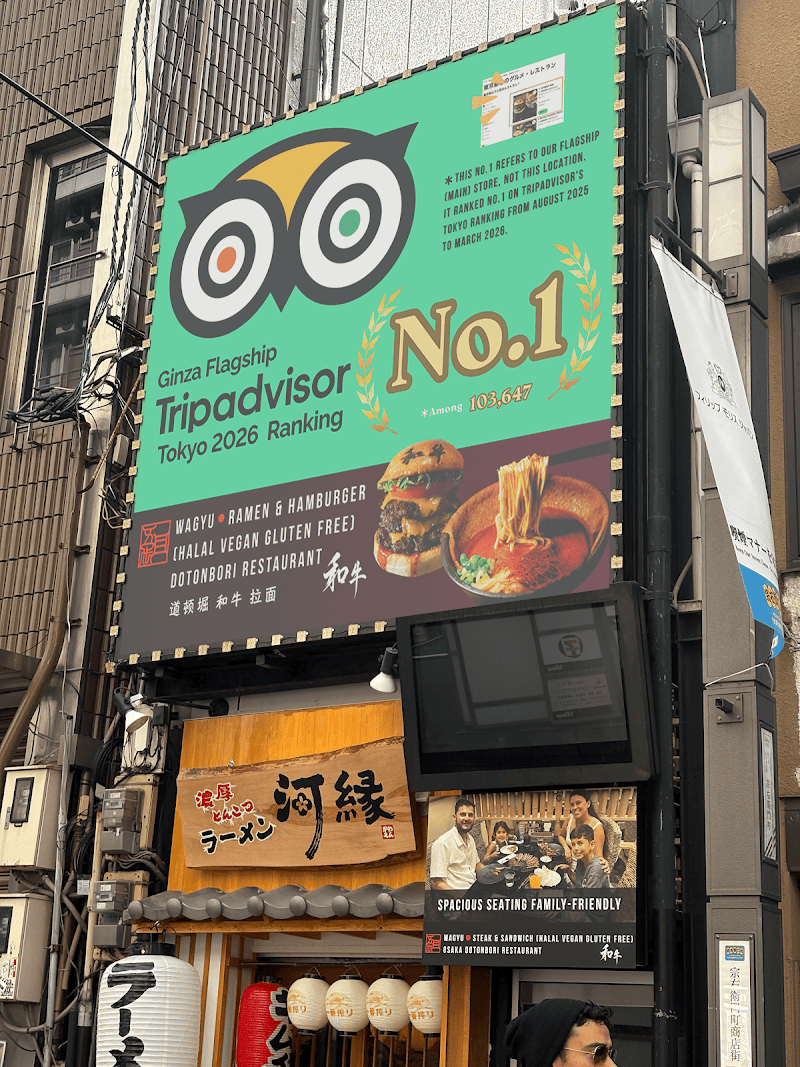
Google Rating: 4.8 ★ (1,827 reviews) | View on Google Maps
The name itself does significant work here: gluten-free is explicitly part of this restaurant's identity, alongside halal and vegan—a combination that signals genuine dietary infrastructure rather than casual accommodation. Ramen is one of the hardest dishes to make celiac-safe in Japan: noodles are wheat-based, broth is often seasoned with regular shoyu, and tare (the flavor concentrate) almost always contains wheat. A venue calling itself gluten-free ramen is making a serious claim.
At 4.8 stars from nearly 1,900 reviews, this Souemonchō spot has clearly resonated with a diverse international audience. When you visit, confirm: Are ramen noodles made from rice or another GF grain? Does the broth use tamari (tamari, たまり) or another wheat-free soy sauce instead of standard shoyu? Is the kitchen fully dedicated, or do wheat-containing items also come out of the same space? This one is worth a detailed check on Google Maps for their current GF menu specifics before you go—it's about a 20-minute walk or short subway ride from Osaka Castle.
Paprika Shokudo Vegan Food (Shinmachi, Nishi Ward)
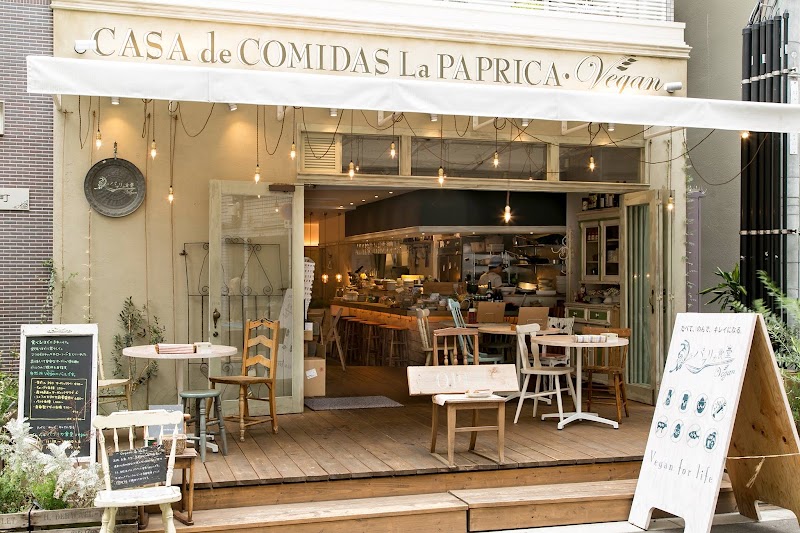
Google Rating: 4.6 ★ (1,237 reviews) | View on Google Maps
Vegan restaurants in Japan are often—though not always—safer ground for gluten-free travelers, because many are already avoiding animal-derived ingredients and tend to be more fluent in food allergy conversations. Paprika Shokudo in Nishi Ward's Shinmachi area has accumulated over 1,200 reviews at 4.6 stars, suggesting a well-established local favorite.
The key caution here: vegan does not automatically mean gluten-free. Wheat-based proteins like seitan (fu, 麩) are common in Japanese vegan cooking, and soy-based sauces with wheat are standard. When you visit, ask: "Komugi ga haitte iru ryori wa arimasu ka?" ("Are there dishes that contain wheat?") and request dishes made with tamari rather than shoyu. Also ask whether their miso (miso, 味噌) contains barley—some Japanese miso is barley-fermented (mugi miso, 麦味噌). Located in Nishi Ward, this is roughly 30 minutes from Osaka Castle but easily accessed via the Osaka Metro Nagahori Tsurumi-ryokuchi Line.
米粉クレープ HACCHA BOOTH (Souemonchō-Shinchi, Kita Ward)
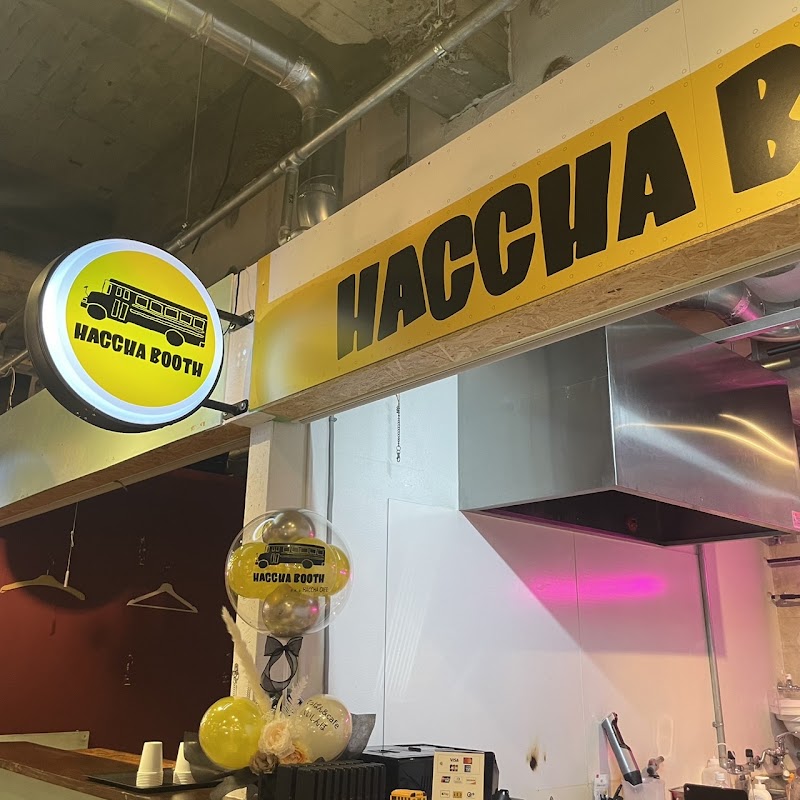
Google Rating: 4.8 ★ (141 reviews) | View on Google Maps
The name tells you everything: komeko (米粉) means rice flour, and crepe (クレープ) is the format. A dedicated rice flour crêpe booth is a genuinely exciting find for gluten-free travelers in Japan, where crêpes are typically made with wheat flour. The 4.8 rating is strong, though the review count (141) is smaller than the other venues here, so treat this as a promising newer or niche spot rather than a long-established institution.
Key questions to confirm on-site: Is the batter exclusively rice flour with no wheat additives? Are sweet fillings (custard, chocolate sauces) checked for wheat-containing thickeners? Are savory fillings prepared without shoyu? This booth-style format in Kita Ward's Souemonchō-Shinchi area is best verified via Google Maps for current hours and seasonal operation before making a dedicated trip.
OSAKA ENGINE RAMEN (Azuchimachi, Chuo Ward)
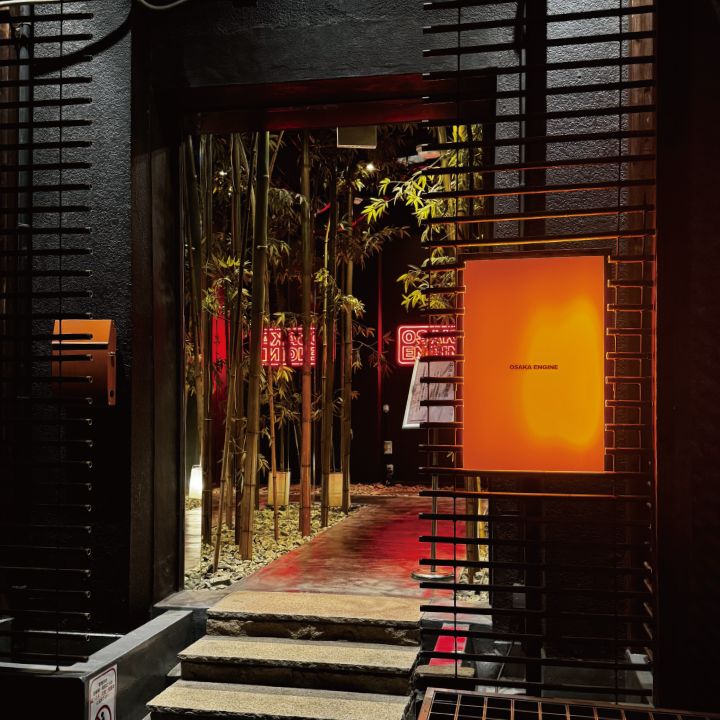
Google Rating: 4.7 ★ (1,002 reviews) | View on Google Maps
Located in Azuchimachi—one of the closest areas on this list to Osaka Castle—OSAKA ENGINE RAMEN holds a 4.7 rating across over 1,000 reviews. Ramen with genuine GF credentials is rare enough that any high-rated venue appearing in GF-focused searches deserves attention.
Confirm before ordering: the noodle composition (rice-based vs. wheat-based), whether a dedicated GF broth is available, and whether toppings like chashu (braised pork) are marinated in regular shoyu. Ramen shops often have multiple broth options and not all will be safe—ask staff to identify specifically which bowls, if any, are komugi fuji (小麦不使用, wheat-free). Its Sakaisuji Honmachi area location makes it the most convenient stop if you're heading back toward the castle from the Honmachi subway interchange.
How to Verify Before You Go
Japanese restaurants do not always update third-party platforms when menus change. Before visiting any venue on this list:
- Check Google Maps reviews filtered for "gluten" — English-language reviewers often mention their specific dietary experience in detail.
- Call or message ahead using Google Translate's voice feature if needed. Say: "Komugi arerugi no kyaku ga ikimasu. Taberareru mono wa arimasu ka?" ("A guest with a wheat allergy is coming. Are there things they can eat?")
- Look for the 小麦不使用 label (komugi fushiyou = wheat-not-used) on any packaged components at the restaurant.
- Ask about shared fryers—even if a dish contains no wheat, shared frying oil is a major cross-contamination risk.
- Confirm tamari availability—some GF-aware restaurants keep tamari (wheat-free soy sauce) specifically for allergy customers. Kikkoman's GF tamari (グルテンフリー醤油) is increasingly common.
Closing Tips for Celiac Travelers Around Osaka Castle
Osaka Castle sits in Chuo Ward, and most venues above are in Chuo or the immediately adjacent wards, reachable within 15–35 minutes on foot or by Osaka Metro. Carry a written celiac card in Japanese—several free versions are available from Celiac Travel—and show it to staff before ordering rather than after. At convenience stores near the castle, scan for 小麦 in the allergen table printed on every packaged item's label; this is legally mandated for all 8 designated allergens. Japan's food culture rewards patience and direct communication—a staff member who understands your allergy will almost always try to help.