Gluten Free Japanese Restaurants in Tokyo (2026 Guide)
By Ikumi H.
Independent guide, based in Japan. Every venue verified via Google Places. How we verify →
Last updated: 2026-10-01 · 5 min read
Finding genuinely gluten-free Japanese food is harder than it sounds. Standard Japanese cuisine is quietly riddled with wheat: soy sauce (shoyu, 醤油) contains wheat as a primary ingredient, tempura batter is pure wheat flour, ramen broths are often finished with soy-based tares, and even seemingly safe dishes like oyakodon may have been seasoned with wheat-containing mentsuyu. For travelers with celiac disease, "gluten-free" on a menu doesn't automatically mean safe — cross-contamination from shared fryers and cooking surfaces is a real concern.
The venues below are operationally confirmed and have built genuine review counts from real diners. Each one has made gluten-free accommodation a deliberate part of their identity, not an afterthought. Always verify current hours, menus, and protocols directly via the Google Maps links provided — restaurant details change, and your safety depends on up-to-date information.
Oh Nana! Gluten Free Japanese Cafe & Restaurant — Chiyoda City
Rating: 4.9 ★ (118 reviews)
Located in the Kanda area of Chiyoda City — walkable from Akihabara and Kanda stations — Oh Nana! is one of the most celebrated dedicated gluten-free Japanese dining spaces in Tokyo. A 4.9 rating across 118 reviews is exceptional and signals consistent execution, not just occasional goodwill.
As a dedicated gluten-free cafe and restaurant, the entire menu is built around wheat-free ingredients. This is the environment where you can relax slightly — though celiac travelers should still confirm whether tamari (wheat-free soy sauce) is used in place of regular shoyu, and whether any dishes share cooking equipment with allergens. Ask: "Komugi wa haitte imasu ka?" (小麦は入っていますか? — "Does this contain wheat?") even here, because menus evolve.
This is also a prime candidate if you're hunting for gluten-free Japanese pancakes (okonomiyaki or hotcakes made with rice flour or alternative flours). Confirm the current pancake offering before visiting.
🏨 Find stays near these spots →
Gluten Free T's Kitchen Harajuku — Shibuya
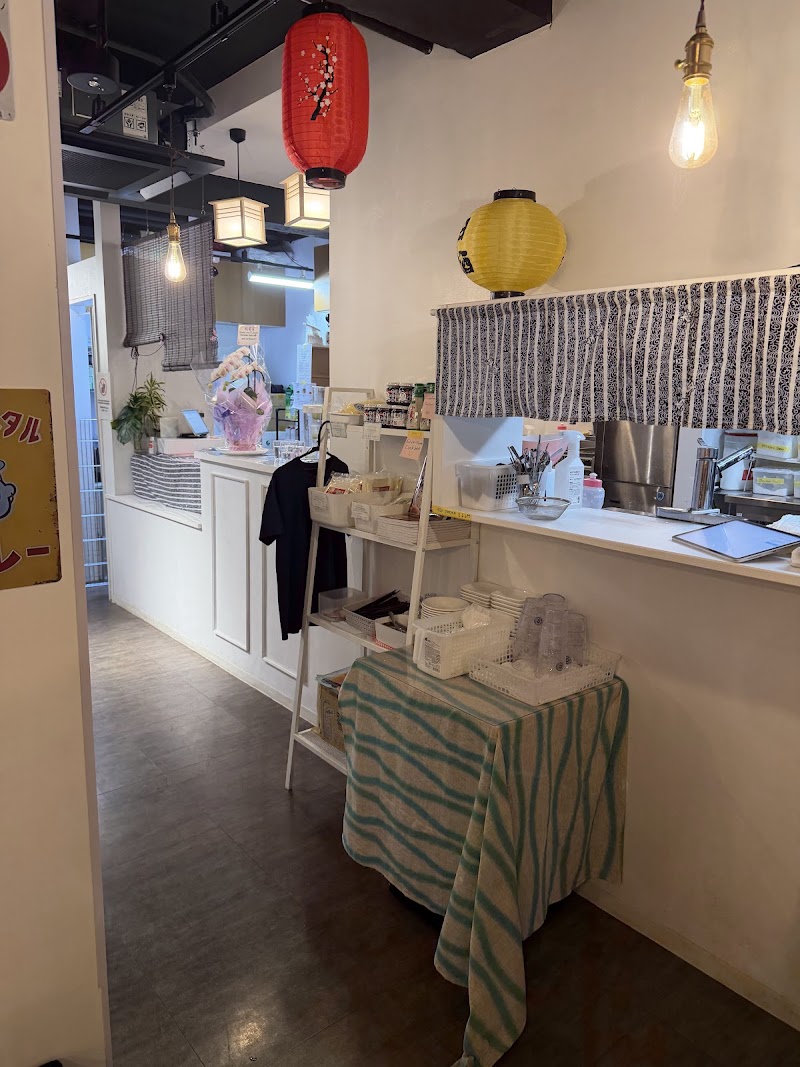
Rating: 4.7 ★ (136 reviews)
Tucked into a basement level on Jingumae in Harajuku, Shibuya — a short walk from Meiji-Jingumae station — T's Kitchen is a standout with 136 reviews at 4.7 stars. The "Gluten Free" branding is in the name itself, which signals serious commitment rather than a side menu note.
Harajuku's dining scene is dense and fast-moving, so a basement location with this review volume means it's drawing repeat customers and word-of-mouth from the celiac travel community. This is a venue worth contacting ahead of your visit to ask about their current allergen protocols, particularly around shared kitchen equipment if they also serve non-GF items. Check the Google Maps listing for current hours — basement restaurants in Tokyo sometimes operate on limited lunch/dinner sittings.
Kushiage Su — Ginza, Chuo City
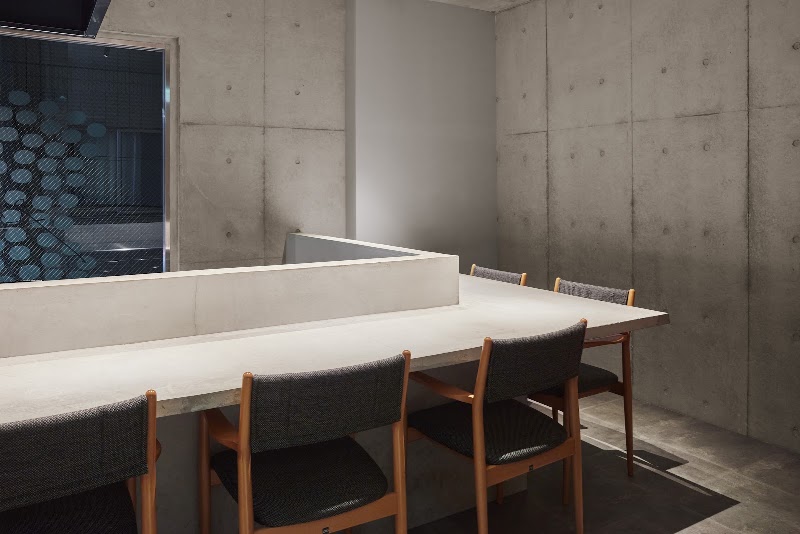
Rating: 5.0 ★ (201 reviews)
A perfect 5.0 across 201 reviews in Ginza is rare and demands attention. Kushiage (串揚げ) is deep-fried skewered food — a cuisine that would normally be completely off-limits for celiac diners due to wheat-based breadcrumbing and shared fryer oil. The fact that this Ginza second-floor restaurant has built a gluten-free kushiage concept with this review count is genuinely significant.
The fryer question is critical here. Even with gluten-free batter (rice flour, potato starch, and katakuriko are common alternatives), you need to confirm: Is the frying oil dedicated, or shared with wheat-containing items? A single contaminated fryer makes the entire meal unsafe for celiac diners. Ask directly: "Abura wa komugi to kyōyō shite imasu ka?" (油は小麦と共用していますか? — "Is the frying oil shared with wheat products?")
Given the review count and location in upscale Ginza, this appears to be a reservation-recommended venue. Check the Maps listing for booking options before making the trip.
Gluten-Free Izakaya SHION — Nishikanda, Chiyoda City
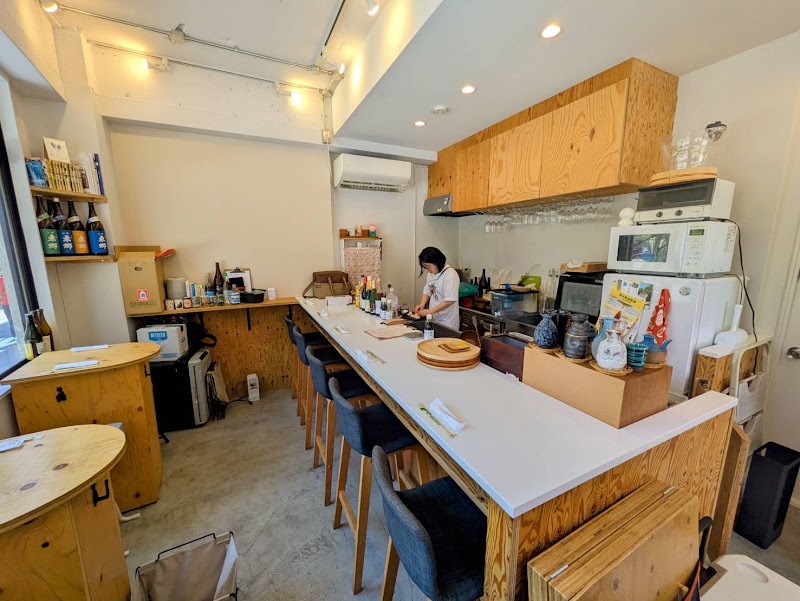
Rating: 4.8 ★ (33 reviews)
A gluten-free izakaya (居酒屋) — the casual Japanese pub format beloved for small shared plates and drinks — is a genuinely exciting concept for celiac travelers who've had to watch their travel companions enjoy the izakaya experience while eating plain edamame. SHION in Nishikanda carries a 4.8 rating, impressive for a venue with 33 reviews, suggesting a tight and loyal customer base.
Standard izakaya staples like karaage (fried chicken) use wheat-based marinades and wheat flour coatings. Here, the explicit gluten-free framing suggests those classics have been reimagined. Drinks warrant attention too — beer contains gluten, so ask about gluten-free beer options or stick to sake (which is rice-based and naturally gluten-free), shochu, or umeshu.
Nishikanda is close to Jimbocho and Suidobashi stations, and the building address (Nishi-Kanda Inoze Building) makes it findable. Confirm current operating nights — smaller izakayas in Tokyo often operate evenings only and may be closed certain days of the week.
Setagaya Alley Bite — Umegaoka, Setagaya City
Rating: 4.2 ★ (23 reviews)
This cheese fried bread and fried food bar near Umegaoka in Setagaya is the most local and neighborhood-specific venue on this list — 23 reviews means it's newer or more niche, but the explicit gluten-free branding in the venue name is a meaningful signal. For travelers staying in western Tokyo or passing through the Odakyu line corridor, this fills a genuine gap.
Lower review counts mean less accumulated evidence of consistent safety protocols, so this is a venue where pre-visit communication matters most. Contact them through the Maps listing, confirm what gluten-free means in their kitchen specifically, and verify what allergen controls are in place around the fried food preparation.
How to Verify Before You Go
For every venue above — including dedicated gluten-free restaurants — run through this checklist:
Check Japan's mandatory allergen labels. Japan requires 8 allergens to be disclosed, including wheat (小麦, komugi). If you're buying anything packaged, scan for 小麦 in the ingredient panel.
Confirm tamari vs. shoyu. Ask: "Shoyu no kawari ni tamari wo tsukatte imasu ka?" (醤油の代わりにたまりを使っていますか? — "Do you use tamari instead of soy sauce?") Tamari (tamari shoyu, 溜まり醤油) is typically brewed without wheat, but verify the specific brand.
Ask about shared fryers. As noted above, this is the single biggest risk at any venue serving fried food.
Use Google Maps reviews filtered by keywords. Search "celiac" or "グルテンフリー" in the Q&A or reviews section of each listing for recent firsthand experiences.
Call or message ahead. Many Tokyo restaurants respond to Google Maps messages or have contact details in their listing. A quick message in advance — even using Google Translate — demonstrates seriousness and gets you a real answer about current protocols.
Closing Tips for Celiac Travelers in Japan
Carry a Japanese allergen card explaining celiac disease (seriakkubyō, セリアック病) and wheat intolerance — several organizations offer printable versions. In konbini (convenience stores), the mandatory allergen display makes packaged food relatively navigable: look for 小麦 in the allergen box on packaging. Rice-based onigiri with simple fillings, plain edamame, and properly labeled products can bridge gaps between restaurant meals. The venues above represent some of the best-documented gluten-free Japanese dining options in Tokyo — but your preparation before walking through the door is always the final safety layer.