Gluten Free Japanese Pancake Recipe & Tokyo Spots
By Ikumi H.
Independent guide, based in Japan. Every venue verified via Google Places. How we verify →
Last updated: 2026-10-01 · 5 min read
Japan's pancake culture runs deep — from fluffy soufflé-style stacks to savoury okonomiyaki — but almost every café version contains wheat flour (小麦粉, komugiko), and the soy sauce drizzled on top almost certainly does too. If you've searched for a gluten free Japanese pancake recipe, you're likely preparing to cook safely at home and trying to figure out where in Tokyo you can eat the real thing without a reaction. This guide covers both.
Why Japanese Pancakes Are Tricky for Celiacs
Standard Japanese pancake batter relies on komugiko as its backbone. Even recipes that look simple often include a splash of soy sauce (shoyu, 醤油), which under Japanese law must declare wheat (小麦) as an allergen — but not every cook reads labels carefully. Cross-contamination is another major risk: shared griddles, shared fryers, and shared flour clouds in small café kitchens mean that a "wheat-free" batter can arrive on a wheat-loaded surface.
Japan's mandatory allergen labelling system currently covers eight items, with wheat (小麦) among them. When buying packaged ingredients for home cooking, look for 小麦 in the allergen box (アレルゲン) on the label. If it's absent, that product is declared wheat-free — though cross-contamination warnings (同じ設備で小麦を含む製品を製造しています) can still appear and deserve your attention.
🏨 Find stays near these spots →
A Reliable Gluten Free Japanese Pancake Base (Home Recipe)
For fluffy soufflé pancakes, substitute wheat flour with a blend of rice flour (komeko, 米粉) and tapioca starch (tapioka denpun) in roughly a 3:1 ratio. This gives you the lift without gluten. Use tamari (たまり醤油) instead of regular shoyu — tamari is brewed with little or no wheat, but always check the label for 小麦 to be certain. For okonomiyaki-style savoury pancakes, nagaimo (山芋, Japanese mountain yam) acts as a natural binder that replaces much of the structural role gluten normally plays. Replace regular dashi stock sachets with a certified GF version or make your own from kombu and bonito flakes, checking each ingredient individually.
Key verified GF-friendly ingredients available in Japan:
- Rice flour: sold in most supermarkets, look for 純米粉 (pure rice flour)
- Tamari: タマリ醤油 — San-J and Yamaki brands are widely available; confirm 小麦不使用 (no wheat used)
- Baking powder: check for 小麦デンプン (wheat starch) in cheap brands; use aluminium-free brands that list only corn starch
Gluten Free T's Kitchen — Roppongi, Minato City
With 918 Google reviews and a 4.5-star rating, Gluten Free T's Kitchen in Roppongi is the most reviewed dedicated gluten free restaurant in this roundup. Its very name signals intent. Being in Minato City's Roppongi neighbourhood makes it accessible from central Tokyo. Before visiting, check their current menu on Google Maps and ask directly whether pancake items (if listed) are prepared on dedicated equipment. Useful phrase: 「小麦アレルギーですが、パンケーキは小麦なしで作れますか?」 (Komugi arerugī desu ga, pankēki wa komugi nashi de tsukuremasu ka? — "I have a wheat allergy; can the pancakes be made without wheat?")
RICEHACK GlutenfreeBakery — Jingūmae, Shibuya
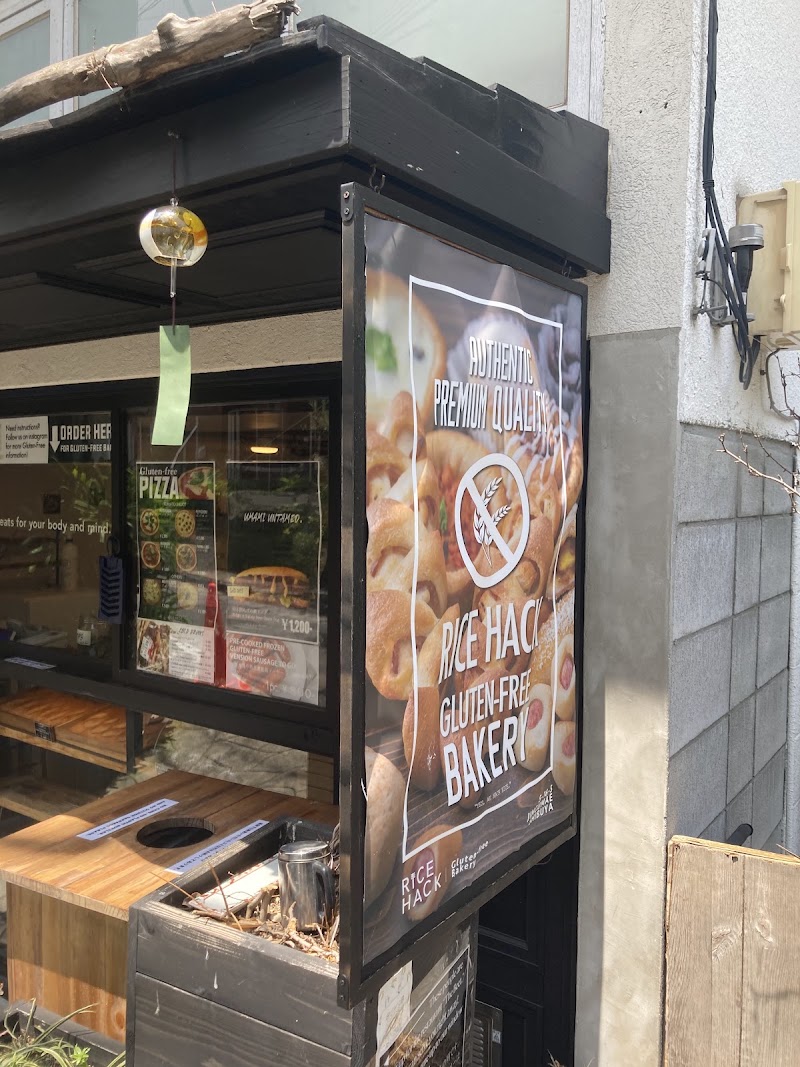
The name RICEHACK tells you the philosophy: rice-based alternatives to wheat-forward baked goods. Located in Jingūmae, Shibuya — a neighbourhood packed with food trends — this bakery holds a 4.8-star rating across 328 reviews, which is impressive for a specialist dietary venue. Rice flour pancake or waffle items appear logically aligned with their concept, but verify current offerings on Google Maps before making the trip. Ask about shared equipment if cross-contamination is a concern for you.
Rizlabo Kitchen — Jingūmae, Shibuya
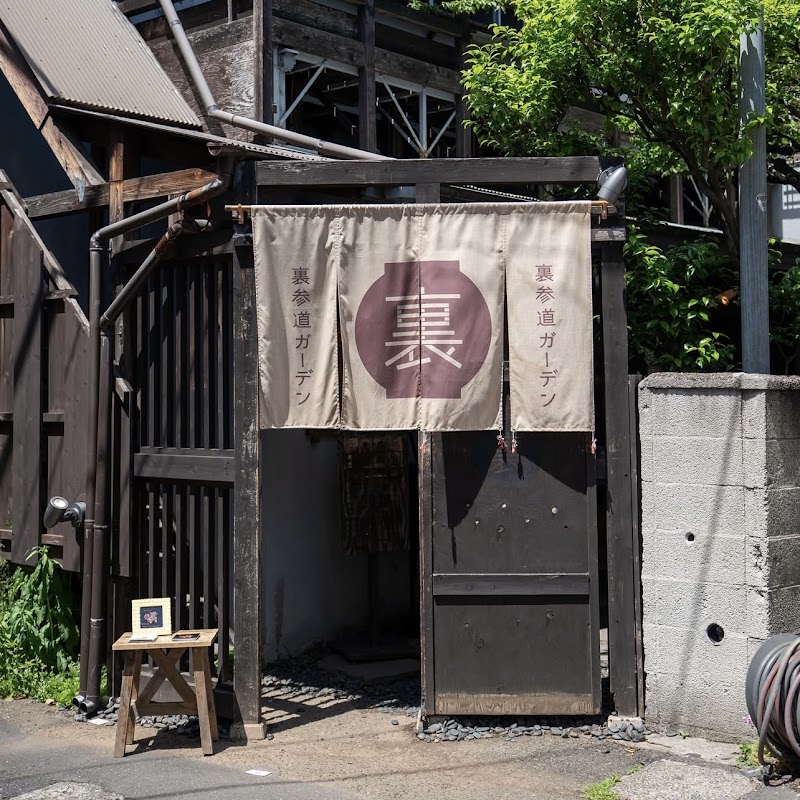
Also in Jingūmae, Rizlabo Kitchen has the largest review count in this list at 455, with a solid 4.3-star rating. The proximity to RICEHACK makes this a sensible double-visit on the same day. Check their Google Maps listing for current menu details and any allergen notes. When you arrive, the phrase 「グルテンフリーのメニューはありますか?」 (Guruten furī no menyū wa arimasu ka? — "Do you have a gluten free menu?") is a good opener.
Comme'N — Okusawa, Setagaya City
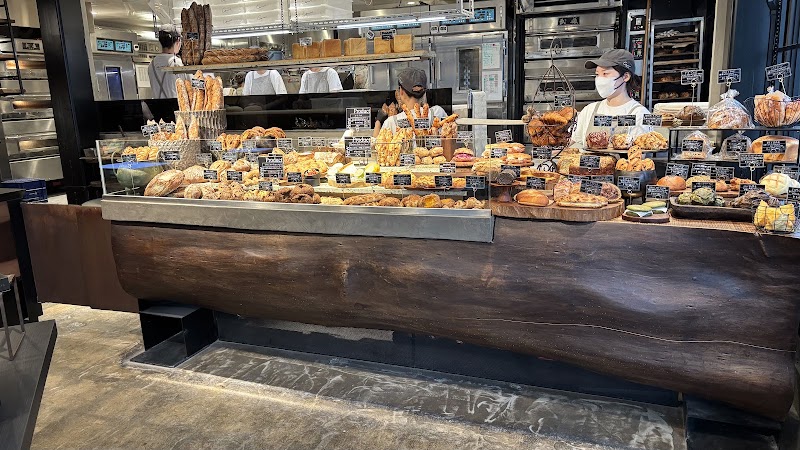
Comme'N sits in the quieter residential neighbourhood of Okusawa in Setagaya, with 140 reviews and a 4.4-star rating — a strong signal of consistent quality for a neighbourhood spot. This is worth investigating if you're already in the Setagaya area. Verify current gluten free options via Google Maps and confirm allergen handling before ordering.
Setagaya Alley Bite — Umegaoka, Setagaya City
Setagaya Alley Bite Cheese Fried Bread & Fried Food Bar (Gluten-free) is listed as gluten free in its name, which is a strong positive signal. Located in Umegaoka, Setagaya, it has 23 reviews and a 4.2-star rating — a smaller review base, so approach with useful caution. Fried food venues always carry cross-contamination risk from shared fryers, so ask specifically: 「揚げ油は小麦を含む食品と共有していますか?」 (Age abura wa komugi wo fukumu shokuhin to kyōyū shite imasu ka? — "Is the frying oil shared with wheat-containing foods?") Check their Google Maps listing for current hours and details before visiting.
How to Verify Before You Go
Venue details change — menus evolve, hours shift, and dedicated GF protocols can tighten or loosen with staff changes. Before visiting any of these spots:
- Check Google Maps using the links above for the latest hours, recent photos, and review mentions of wheat allergy or celiac experiences
- Call or message ahead — many Tokyo venues have LINE or Instagram DMs and can answer allergen questions in writing, which is safer than verbal confirmation
- Carry an allergy card in Japanese stating your celiac condition; downloadable templates exist from organisations like Celiac Travel
- Ask about shared equipment specifically, not just ingredients — cross-contamination from shared griddles is the primary risk with pancakes
Closing Tips for Celiac Visitors in Japan
Japanese food culture is not inherently celiac-hostile, but it does require active communication. Wheat hides in mirin (some brands), dashi powder packets, and processed toppings like okonomiyaki sauce (ōkonomi sōsu). When cooking at home using the rice flour pancake method above, you control every variable. When eating out, the venues in this list — particularly those with "gluten free" in their name — are your most reliable starting points in Tokyo. Always verify current details, carry your allergy phrases, and treat any shared fryer as a red flag until confirmed otherwise.