Gluten Free Food at Universal Japan: Tokyo Guide
By Ikumi H.
Independent guide, based in Japan. Every venue verified via Google Places. How we verify →
Last updated: 2026-10-01 · 5 min read
Finding gluten-free food in Japan requires more than avoiding obvious bread and pasta. Soy sauce (shoyu, 醤油) is brewed with wheat and appears in almost every savoury dish — ramen broth, yakitori glazes, salad dressings, even some pickles. Standard food labeling rules do require manufacturers to declare 小麦 (wheat) on packaged goods, which helps at convenience stores and supermarkets, but restaurant menus rarely carry that detail. Add shared fryers, flour-dusted grills, and the language barrier, and you understand quickly why researching venues before you travel matters enormously.
The venues below are confirmed operational as of mid-2026 with substantial Google review counts. Each entry focuses on what makes it relevant to gluten-free travelers, what you should verify before visiting, and what questions to ask when you arrive.
UNIVERSAL BAKES and CAFE — Daita, Setagaya
With 292 Google reviews and a 4.4-star rating, UNIVERSAL BAKES and CAFE in the Daita neighbourhood of Setagaya is one of the most-reviewed dedicated plant-based and gluten-free baking spots in Tokyo. The word "universal" in their name is deliberate — the concept centres on inclusivity for people with dietary restrictions. This is not a mainstream café with a single GF option bolted on; the whole menu is built around gluten-free and vegan baking principles.
What to verify: Confirm current baked goods available that day (stock rotates), whether any items share preparation surfaces with wheat-containing ingredients during special events, and current opening hours. Call ahead if your reaction threshold is low — Japanese cafés are generally very responsive to serious allergy enquiries.
Useful phrase: 「グルテンフリーですか?小麦は入っていませんか?」(Guruten furī desu ka? Komugi wa haitte imasen ka?) — "Is this gluten free? Does it contain wheat?"
🏨 Find stays near these spots →
RICEHACK GlutenfreeBakery — Jingūmae, Shibuya
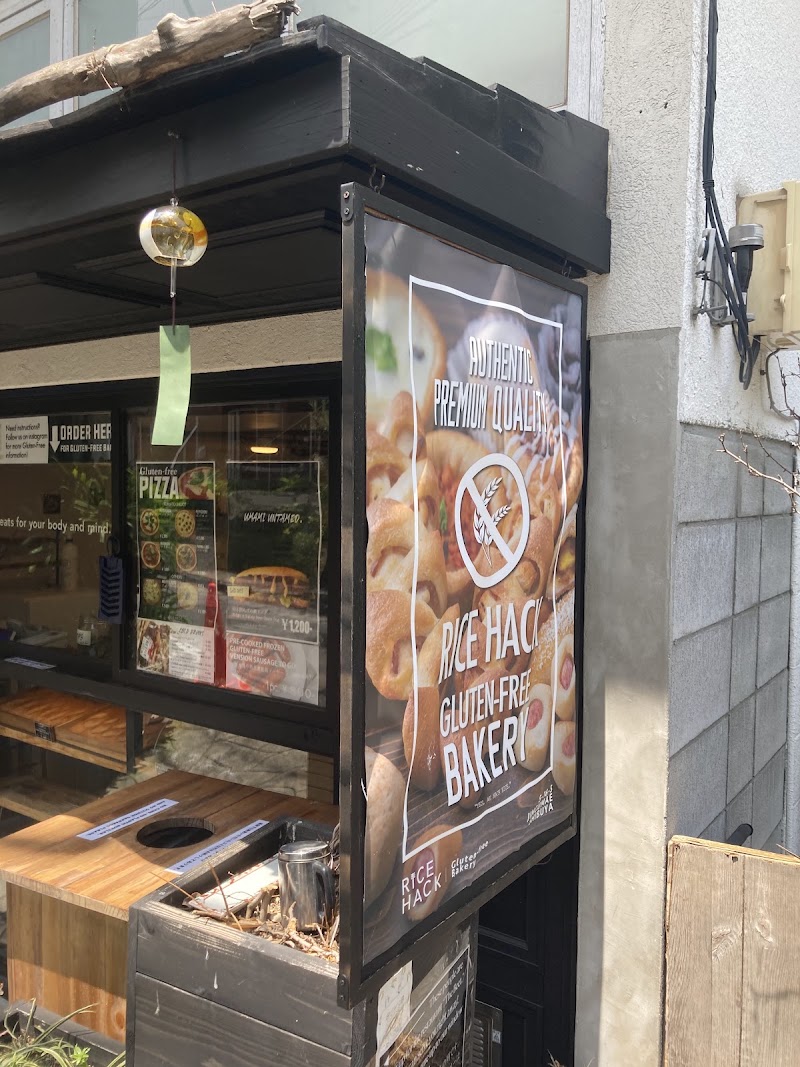
At 4.8 stars across 328 reviews, RICEHACK GlutenfreeBakery near Harajuku in Jingūmae is the highest-rated venue on this list and one of the most highly regarded dedicated GF bakeries in Tokyo. The name signals the concept clearly: rice-based baking as a wheat substitute. Rice flour (komeko, 米粉) is the dominant alternative starch in Japan's GF baking scene, and a specialist bakery built around it is a very different proposition from a general café that swaps in a GF flour blend.
What to verify: Specific items available on the day you visit, any seasonal limited-run products, and whether the kitchen is entirely wheat-free or whether any wheat-containing goods are baked on site. For celiac travelers, cross-contamination from a shared oven or flour dusting in the air matters. Check current hours on Google Maps — small specialist bakeries in Tokyo often have limited weekly schedules.
Practical note: Jingūmae sits between Harajuku and Omotesandō stations, making this a convenient stop if you're already in that part of Shibuya.
Vegan Bistro Jangara — Jingūmae, Shibuya
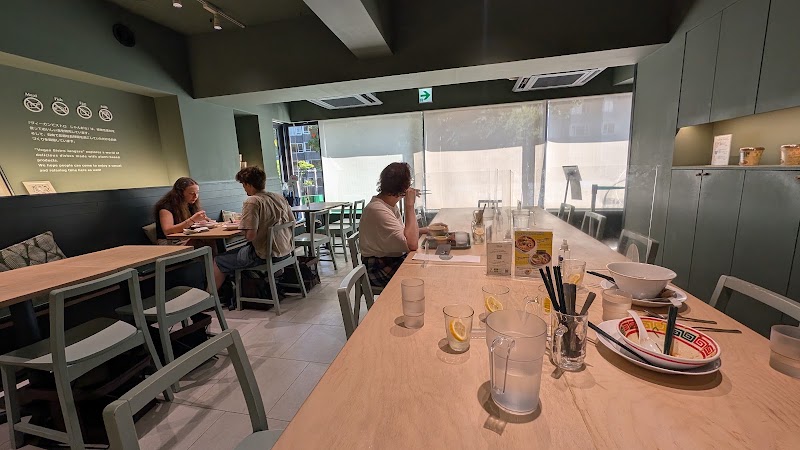
With 1,681 reviews and a 4.7-star rating, Vegan Bistro Jangara is by far the most-reviewed venue on this list. Located in Jingūmae close to Harajuku, it operates as a fully plant-based restaurant. Vegan restaurants in Japan deserve specific attention from the GF community because plant-based Japanese cooking often leans heavily on tamari (tamari shōyu, たまり醤油) rather than standard wheat-brewed soy sauce. Tamari is traditionally wheat-free, though you should always confirm the specific brand being used contains no wheat (komugi, 小麦), as some commercial tamari products include a small wheat fraction.
What to verify: Whether dishes use tamari or standard shoyu, whether seitan (wheat gluten) features in any mock-meat dishes on the current menu, and whether fried items share oil with wheat-battered foods. Seitan is one of the most common protein sources in vegan Japanese cooking and is 100% wheat gluten — ask specifically: 「セイタンは使っていますか?」(Seitan wa tsukatte imasu ka?) — "Do you use seitan?"
CORI. NATURAL VEGAN FOOD & CRAFT BEER — Kamiuma, Setagaya
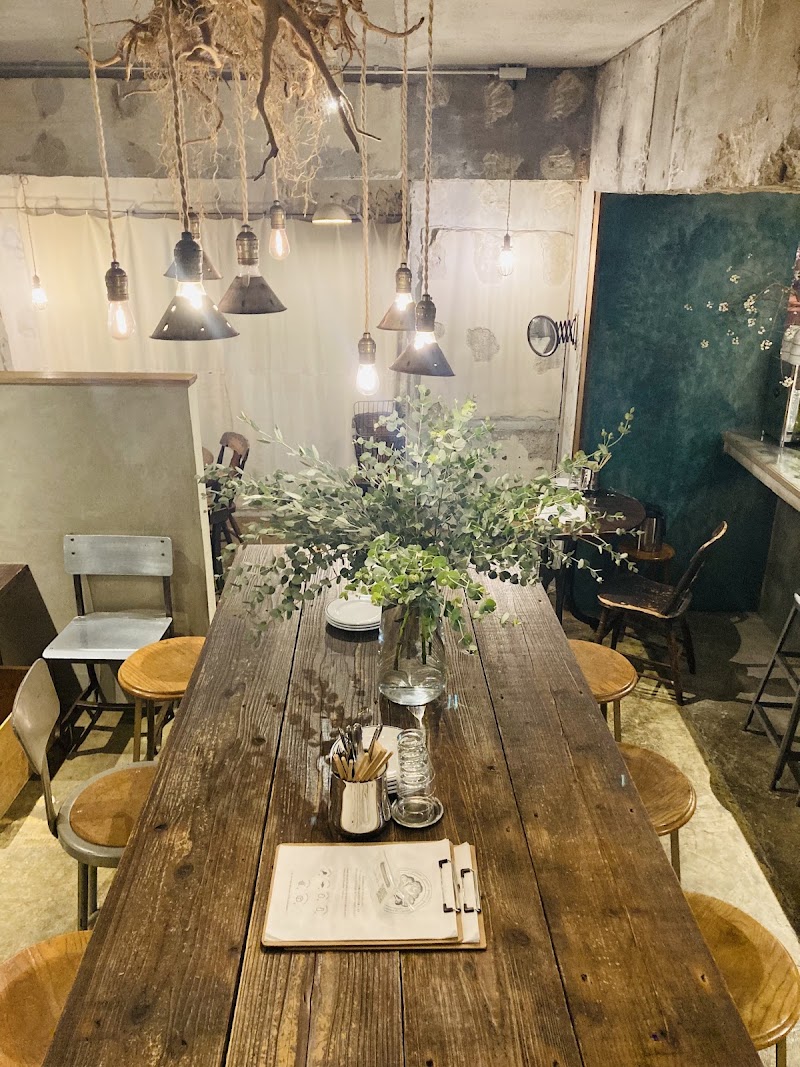
CORI. in Kamiuma, Setagaya holds a 4.7-star rating from 172 reviews. As a natural vegan food venue with a craft beer component, it occupies a niche that suits travelers who want a full sit-down meal rather than a bakery stop. The craft beer pairing is worth a specific note: most craft beers contain barley and wheat, and some Japanese craft beers use wheat as a featured ingredient. Always ask which beers are wheat-free (komugi fusenryo, 小麦不使用) before ordering.
What to verify: Current food menu items that are confirmed gluten-free versus those that may contain hidden wheat in sauces or marinades, and which beers on tap or in bottle are safe. Check current opening days — Setagaya neighbourhood spots frequently close on weekdays.
Setagaya Alley Bite — Umegaoka, Setagaya
Setagaya Alley Bite Cheese Fried Bread & Fried Food Bar (Gluten-free) in Umegaoka carries a 4.2-star rating from 23 reviews. The explicitly "(Gluten-free)" tag in the venue name suggests it positions itself as a GF destination for fried foods — a category that is almost universally off-limits in standard Japanese restaurants due to shared fryer oil and wheat-based batters (koromo, 衣). A dedicated GF fried food concept is genuinely unusual in Tokyo.
What to verify: Confirm the fryer oil is dedicated and not shared with any wheat-battered items, what batters or coatings are used (rice flour, potato starch, and cornstarch are common GF alternatives in Japan), and current availability. With 23 reviews this is still an emerging venue — contact before visiting.
How to Verify Before You Go
Regardless of how a venue markets itself, do the following before any visit:
- Check Google Maps for current hours, recent photos, and recent reviews mentioning gluten or wheat reactions.
- Email or DM in advance using this template: 「私はグルテンアレルギーがあります。小麦、大麦、ライ麦が入っていない料理はありますか?」(Watashi wa guruten arerugī ga arimasu. Komugi, ōmugi, raimugi ga haitte inai ryōri wa arimasu ka?) — "I have a gluten allergy. Do you have dishes without wheat, barley, or rye?"
- At konbini (convenience stores): look for 小麦 in the allergen box on packaged foods. Japan's mandatory allergen labeling covers eight items including wheat, making packaged onigiri and rice-based snacks often labelable as safe.
- Carry an allergy card in Japanese. Free printable versions are available from the AFAA Japan and Coeliac UK travel card resources.
Closing Tips for Gluten-Free Travel in Japan
Setagaya and the Shibuya/Harajuku corridor have become the quiet centre of Tokyo's GF-friendly dining scene, which is why all five venues above cluster in those two neighbourhoods. If you are based in another part of the city, use the Japanese search term グルテンフリー (guruten furī) combined with your area name on Google Maps to surface other options. Always cross-check with recent reviews specifically mentioning celiac or wheat allergy rather than general vegan or health-food praise — the two are not the same standard. Japan rewards thorough preparation; once you have the right vocabulary and the right venues identified, eating well here is very achievable.